
Source: Vector Choice - URS Preferred Partner
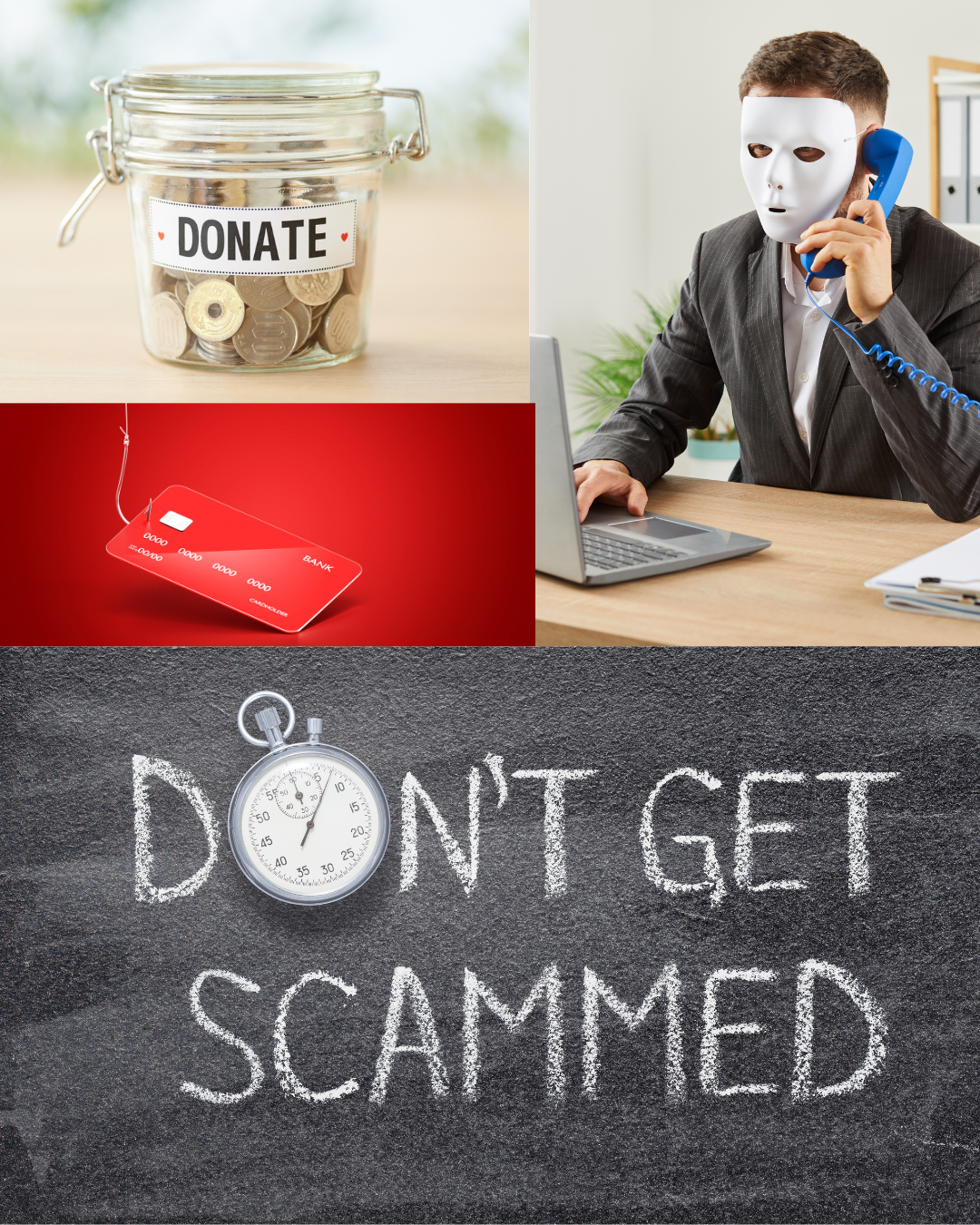
The holiday season inspires generosity, gratitude, and community impact. Unfortunately, it also attracts cybercriminals who exploit that goodwill. As donations surge across online platforms, fraudulent fundraisers, deceptive charity campaigns, and social-engineering tactics multiply—putting businesses, donors, and entire communities at risk.
Recent data underscores the scale of the problem. A federal investigation revealed that one telefunding operation placed 1.3 billion deceptive calls, siphoning over $110 million from well-meaning donors. Meanwhile, a Cornell University analysis uncovered hundreds of social media accounts pushing fabricated fundraisers on platforms such as Facebook, Instagram, and X.
For businesses—large or small—falling for a fraudulent charity can result in more than financial loss. It can compromise brand credibility, strain client relationships, and diminish public trust. As cybercriminals increasingly blur the lines between charity scams and corporate-targeted fraud, organizations must respond with vigilance and structure.
This guide breaks down how to evaluate fundraisers, recognize warning signs, and protect your business from becoming an unintentional victim this holiday season.
Evaluating a Fundraiser: Essential Questions to Ask First
Before making any donation—public or private—ensure the campaign can clearly answer the following:
Who is behind the fundraiser? Is there a verifiable connection to the intended beneficiary?
How will the funds be used? Reputable campaigns provide specific, measurable details.
Who controls fund withdrawals? Legitimate organizers provide transparent routing of funds.
Are close contacts supporting it? Family members, friends, or verified sources should publicly validate the effort.
If the organizer avoids these questions or cannot provide clarity, pause. Missing or vague information is one of the strongest early indicators of fraud.
Major Red Flags That Signal a Scam
Donation scams vary in sophistication—from sloppy, hastily assembled pages to convincingly polished impersonations. Look out for:
False or unverifiable claims about injuries, illnesses, or emergencies
Inconsistent timelines or delays in fund allocation
Stolen stories or impersonated identities
Emotionally manipulative narratives crafted to create urgency
If more than one of these signs appears, do not donate—and report the fundraiser to the hosting platform.
Verifying Charities Beyond Crowdfunding Platforms
Not all charity fraud involves fake GoFundMe pages. Questionable nonprofits and poorly managed organizations also pose risks. Before supporting a registered charity, review:
Financial transparency (annual reports, program breakdowns, IRS Form 990)
Program effectiveness—how much of each dollar goes to the cause
Online reputation, including lawsuits, complaints, or warnings
Accreditation from independent evaluators like Charity Navigator or BBB Wise Giving Alliance
Legitimate organizations prioritize transparency. If a charity obscures details, treat it as a warning.
Common Tactics Used in Charity Scams
Cybercriminals rely on the same psychological and technical techniques used in business email compromise and financial fraud. Typical red flags include:
Requests for donations via gift cards, cryptocurrency, or wire transfers
Non-secure websites (missing “https”)
High-pressure language such as “donate immediately”
Claims stating you previously pledged money
Emotional manipulation or exaggerated crisis narratives
Never rely on links sent via e-mail or social media. Always navigate directly to verified websites.
Why Businesses Must Pay Attention
Corporate giving—whether through official donations or employee-driven campaigns—reflects directly on your brand. A donation linked to a fraudulent cause can:
Undermine trust with customers and partners
Create reputational damage if publicly associated with a scam
Signal weak internal controls
Expose employees to similar phishing or impersonation schemes
Because charity scams often mirror corporate social-engineering tactics, training teams to identify fraudulent fundraisers strengthens broader cybersecurity awareness.
How Businesses Can Protect Their Giving Programs
A structured, proactive approach helps ensure donations remain both impactful and safe:
1. Establish a Corporate Giving Policy
Define approved donation channels, spending limits, and authorization requirements.
2. Educate Your Team
Provide annual training on identifying fraudulent fundraisers, suspicious outreach, and social-engineering attempts.
3. Use Trusted Sources Only
Donate directly through verified charity websites—not through links shared via text, email, or social media.
4. Maintain Transparency in Public Giving
If your company shares its charitable activities publicly, verify organizations thoroughly before posting.
5. Review Post-Donation Impact Reports
Reputable charities publish updates demonstrating how contributions are used.
Keeping the Season Generous—Without the Risk
The holidays offer a meaningful opportunity to support the causes your business cares about. With thoughtful vetting, clear policies, and informed employees, you can give confidently—without exposing your organization to financial loss or reputational harm.
If you'd like your team to be better equipped to spot fake fundraisers, phishing attempts, or financial fraud:
👉 Request your customized cyber vulnerability report today and stay ahead of threats.
👉 Gain insights into your unique cybersecurity vulnerabilities with a custom report.
👉 Train your team to be your first line of defense
📞 Schedule a call today or 📧 contact us for a consultation.
Because the most valuable gift your business can offer—during the holidays and beyond—is trust that stays protected.