
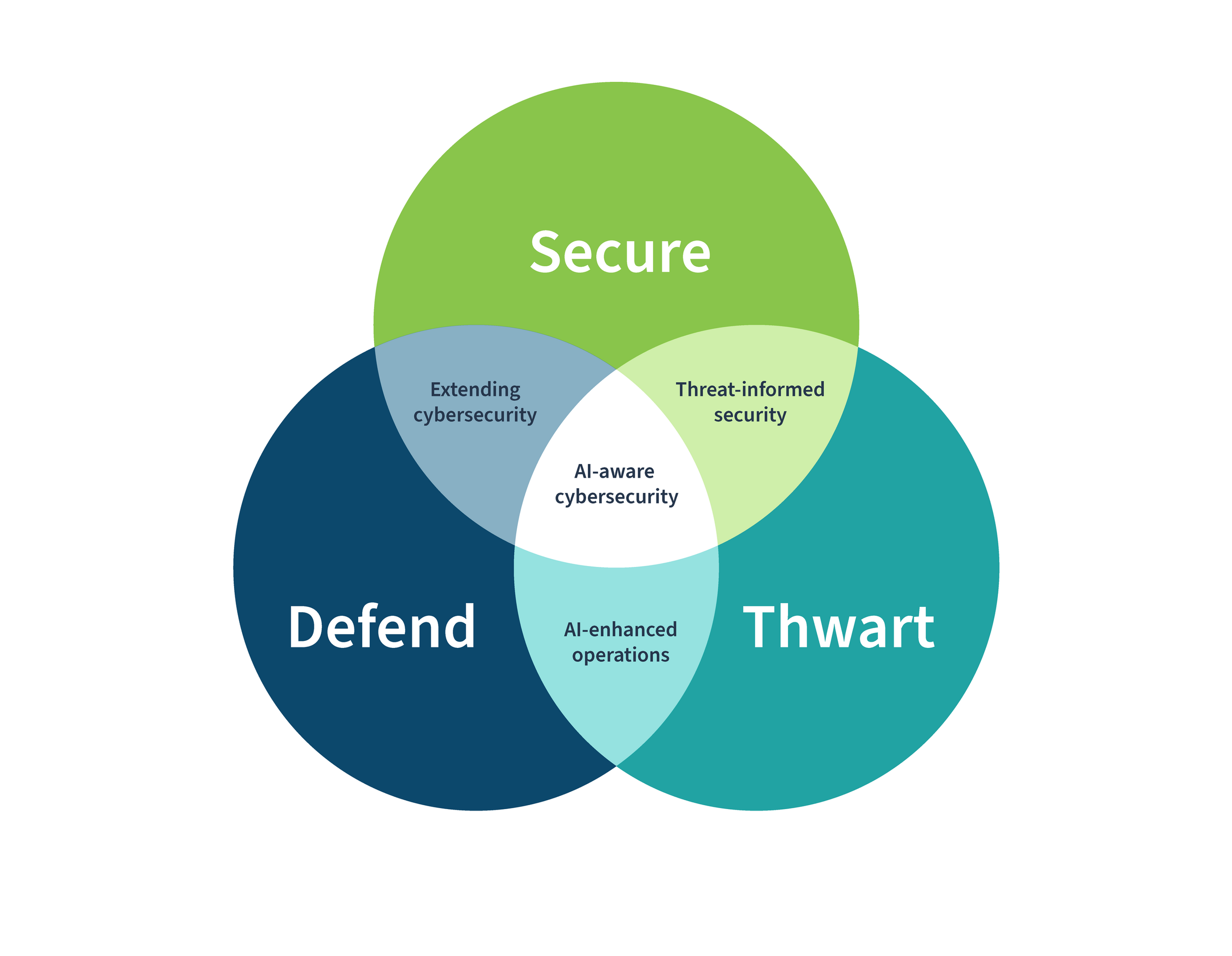
Image Credit: N. Hanacek/NIST.gov
Source: NIST.gov
AI Is Changing Cybersecurity — Here’s What NIST Wants Organizations to Do About It
Why AI Changes the Compliance Conversation
Artificial Intelligence is no longer a “future technology.”
It’s already writing emails, analyzing data, approving transactions, and helping teams make decisions.
But here’s the problem most organizations haven’t addressed yet:
If AI becomes part of your business, it also becomes part of your cybersecurity risk—and your compliance responsibility.
That’s why NIST has released new draft guidance focused specifically on AI and cybersecurity, helping organizations understand how to use AI safely without breaking trust, rules, or regulations.
What Did NIST Release? (In Simple Terms)
NIST released a draft guidance document called the Cybersecurity Framework Profile for Artificial Intelligence.
Think of it as:
A practical roadmap for organizations that use (or plan to use) AI and want to stay secure, compliant, and audit-ready.
It builds on the existing NIST Cybersecurity Framework (CSF 2.0)—which already underpins many compliance programs, including:
CMMC
NIST 800-171
NIST 800-53
Federal and DoD contracts
Regulated industries
The Core Idea: AI Changes Risk — So Security Must Change Too
NIST’s message is simple but important:
You can’t protect modern systems using yesterday’s assumptions.
AI introduces new risks, such as:
Systems making decisions humans don’t fully understand
Data being exposed through AI models
Attackers using AI to automate and scale cyberattacks
At the same time, AI can also help improve security—if used correctly.
NIST’s 3-Part Approach (No Tech Jargon)
NIST groups AI cybersecurity into three connected responsibilities:
1. Secure the AI Itself
If your organization uses AI tools or systems, they must be protected just like any other system.
This means:
Knowing what AI tools are being used
Controlling who can access them
Protecting the data they rely on
Making sure AI outputs can be trusted
📌 Compliance role:
This directly supports access control, system security, and data protection requirements in NIST and CMMC.
2. Use AI to Strengthen Cyber Defense
AI can help organizations:
Detect threats faster
Identify unusual activity
Reduce manual security work
But only if it’s used carefully and responsibly.
📌 Compliance role:
Supports monitoring, incident detection, and continuous risk management expectations found in NIST-based frameworks.
3. Prepare for AI-Driven Attacks
Cybercriminals are also using AI—to create better phishing emails, automate attacks, and find weaknesses faster.
Organizations must be prepared for threats that:
Move faster
Look more convincing
Are harder to detect
📌 Compliance role:
Aligns with requirements around threat awareness, incident response, and resilience.
Why This Matters for Compliance (Especially CMMC & NIST)
Even though this guidance focuses on AI, it’s really about governance and accountability.
For compliance-focused organizations, this means:
AI usage will need to be documented
AI-related risks must be assessed
Security controls must account for AI behavior
Leadership must understand how AI changes the threat landscape
In other words:
AI doesn’t replace compliance—it raises the bar for it.
What Organizations Should Do Now
You don’t need to be an AI expert to take action.
Start with these steps:
Identify where AI is already being used
Treat AI systems as in-scope for security and compliance
Align AI risks with existing NIST and CMMC controls
Prepare for future assessments that will expect AI awareness
What’s Next From NIST
This is currently a draft, open for public feedback.
NIST plans to refine it and release a more complete version in 2026, including clearer mappings to:
NIST CSF 2.0
AI Risk Management Framework
Other compliance resources
Once finalized, this guidance will likely influence:
Assessments
Audit expectations
Federal and DoD cybersecurity requirements
Bottom Line
AI is no longer separate from cybersecurity.
And cybersecurity is no longer separate from compliance.
NIST’s new guidance makes one thing clear:
Organizations that understand AI risk early will be better prepared, more defensible, and more compliant in the years ahead.
👉 Request your customized cyber vulnerability report today and stay ahead of threats.
👉 Gain insights into your unique cybersecurity vulnerabilities with a custom report.
👉 Train your team to be your first line of defense
📞 Schedule a call today or 📧 contact us for a consultation.