Spending a day at the Cybersecurity Summit in Dallas was like getting a tour through the most urgent realities of modern cyber defense. The venue was the Sheraton Dallas Hotel, but the conversations spanned everywhere from the cloud and APIs to AI threats and identity governance. Here’s what I took away from the sessions that mattered most.
Cybersecurity Tip!
👉 Request your customized cyber vulnerability report today and stay ahead of threats.
👉 Gain insights into your unique cybersecurity vulnerabilities with a custom report.
👉 Train your team to be your first line of defense
📞 Schedule a call today or 📧 contact us for a consultation.
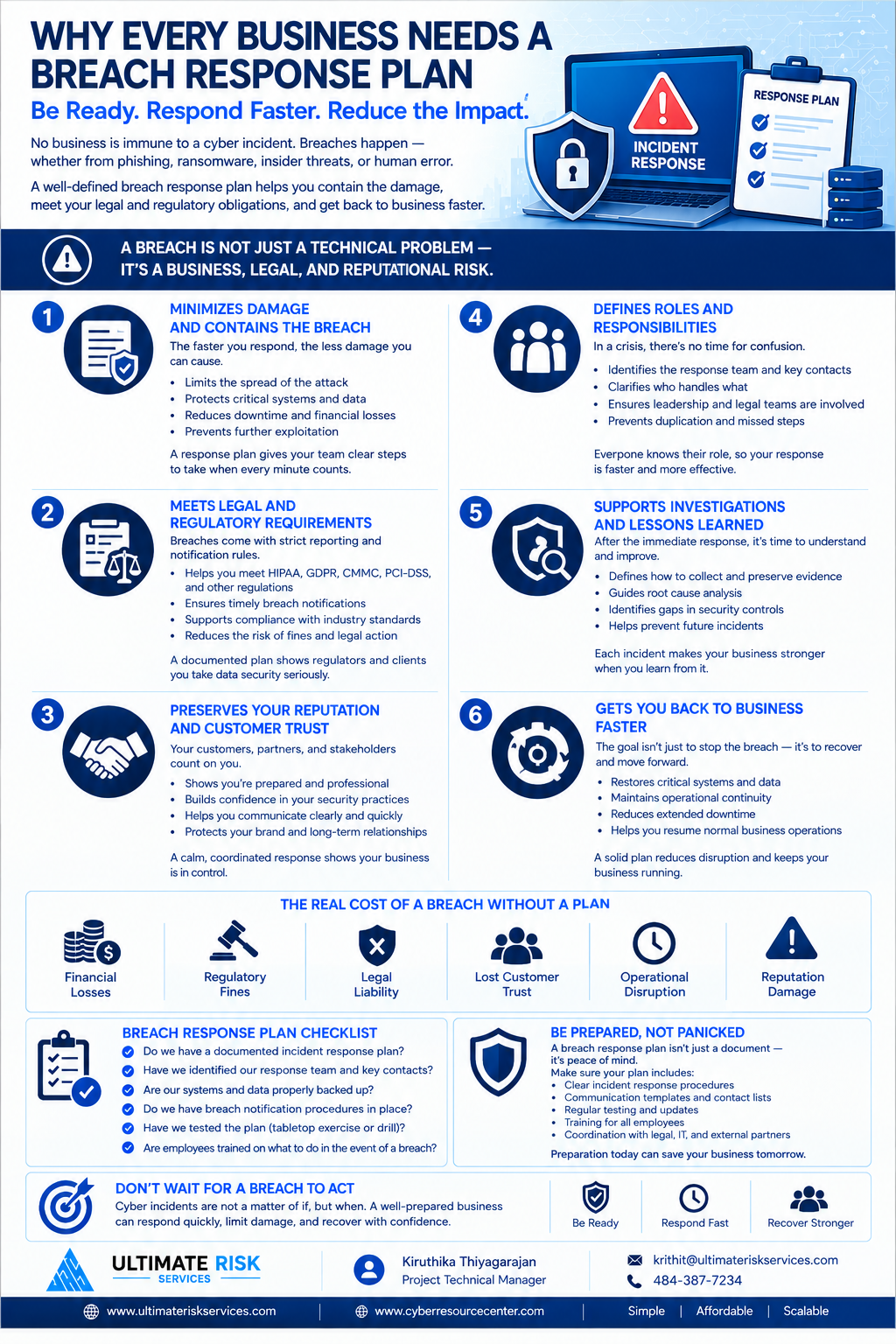
#CyberSecurityTips #OnlineSafety #DataProtection #CyberAware #SafeBrowsing #DigitalSecurity #StaySafeOnline #TechTips #CyberSmart #DatabreachResponsePlan
How Smart Technology Secures Business Continuity in Times of Crisis
Smart Tech, Strong Business: How Modern Tools Keep You Going When It Matters Most
Launching a new business is tough. Keeping it running during a crisis? Even tougher. Whether you're facing a cyberattack, a flood, or a major supply chain disruption, the difference between shutting down and staying strong often comes down to one thing: technology.
This isn’t just about having the right tools. It’s about using them strategically to ensure your business stays resilient, responsive, and ready for anything. That’s the power of tech-driven business continuity planning
Why a Disaster Recovery Plan (DRP) Is Critical for Every Business
What Happens Without a Plan?
Businesses without a DRP face serious consequences:
43% of businesses fail after a catastrophic data loss without a recovery plan
93% go bankrupt within a year if they can’t restore data within ten days
Small outages cost thousands: small firms lose around $8,000/hour, mid‑size $74,000, and large enterprises $700,000/hour in downtime .
Many businesses lack plans: 1 in 5 SMB executives say they don’t have a recovery strategy
Even when backups exist, 58% fail during actual recovery due to outdated tech or inadequate testing
Business Continuity Explained: How to Keep Your Company Running During Crisis
What would happen to your business if your systems went down tomorrow?
Think of all the things that could bring your business to a halt: a power outage, a flood, a cyberattack, a key employee leaving suddenly. Without a plan, even a small disruption can snowball into major financial loss, lost customers, and damage to your reputation. That’s where Business Continuity Planning (BCP) comes in.
What Is Business Continuity and Why Should You Care?
Business Continuity is simply about making sure your business keeps running—even during a crisis. It involves having a written, tested plan that outlines how your operations, people, systems, and data will recover from disruptions.
🚨 What’s Happening with Microsoft SharePoint Servers (July 2025)
Safeguard Your Business: Top Strategies to Prevent Credential-Based Ransomware Attacks in 2025
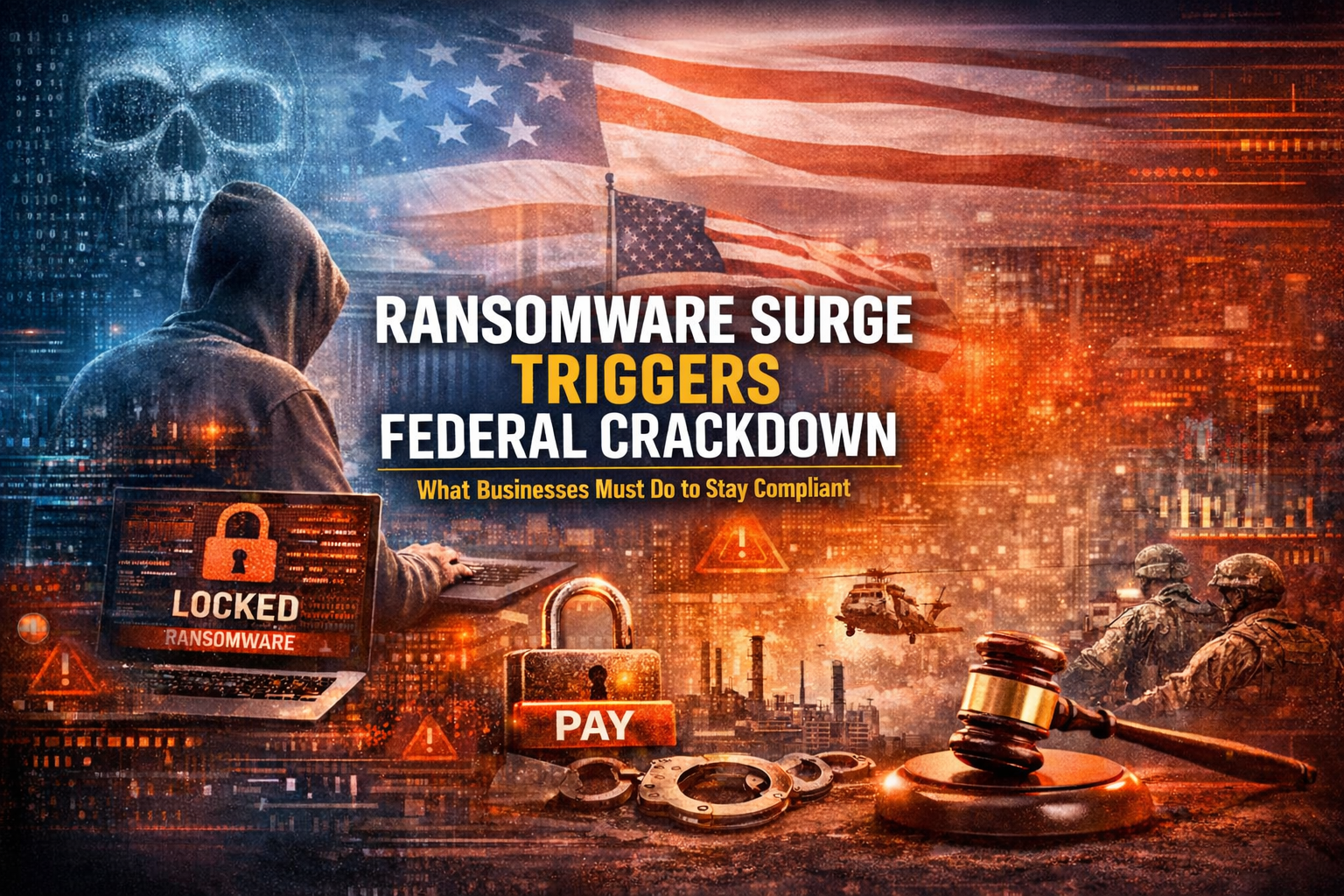
Ransomware attacks surged in 2024, with 58% of incidents stemming from compromised login credentials, particularly through vulnerabilities in perimeter security appliances like firewalls, according to Coalition’s Cyber Threat Index 2025. To understand this growing threat and how small and medium-sized enterprises (SMEs) can safeguard against it, we spoke with Matt Dowling, a cybersecurity expert from Surefire Cyber. Below, we explore the latest trends in ransomware tactics, common vulnerabilities, and actionable steps to strengthen your defenses.